Hunters and anglers are losing our seat at the table when it comes to wildlife policy. From Washington to New Mexico, Vermont to Oregon, commissions are being stacked with people who dismiss hard science in favor of emotion, people who see no role for us in the wild. But the woods are not just for watching. Conservation isn’t a spectator sport. And for over a century, the most committed, effective conservationists in North America have been hunters.
The Real Story About Hunting
Homo sapiens have existed as hunter-gatherers for more than 99 percent of human history. But modern society has become increasingly disconnected from its roots in the natural world. And somewhere along the way, a lot of people forgot what hunting actually is.
Despite what social media may be screaming at us, hunting isn’t Instagram trophy shots. It’s not bloodlust. And it isn’t some fringe hobby practiced by rednecks or rural weirdos.
Hunting is food. It’s family. It’s heritage. And it’s conservation in action.
The folks who want to ban hunting often call themselves nature lovers, but many of them have never tracked an animal, restored a stream, or seen the inside of a state game office. A good number of them have never even stepped a toe off a well-maintained trail. They say they’re defending wildlife, yet ignore the realities that come with managing it.
Meanwhile, those of us who spend more time outdoors than online, who understand the land not from a textbook, but from years of boots-on-ground experience, are increasingly being written out of the process.
Who We Really Are
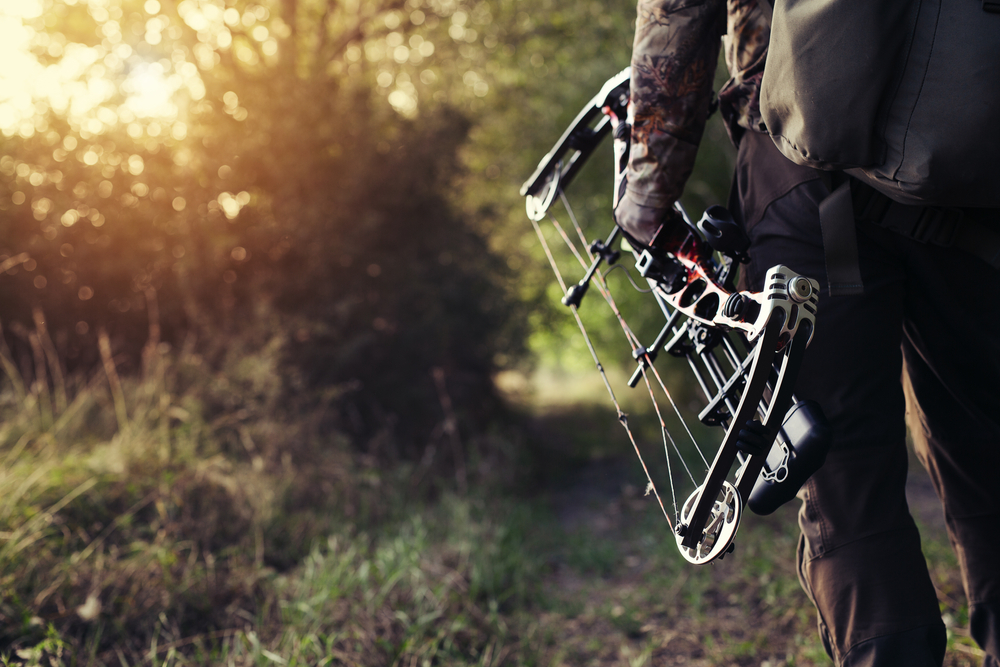
Hunters are not clinging to some outdated way of life. We are practicing one of the oldest, most deeply rooted human traditions. Hunting is an act that still connects people to the land in a real way.
Today’s hunters look a lot different than the tired stereotypes. But those old images of the guy in full camo cracking beers in the bed of his truck, more interested in bragging rights than a clean kill, still linger. The kind of hunter who cuts corners, disrespects property lines, and treats wildlife like a video game. That loud, careless, cruel version of a hunter has never spoken for most of us.
Most modern hunters just don’t fit the old tropes. Instead, he’s a dad teaching his kid to quarter a mule deer. She’s a young woman learning to bowhunt elk on public land. They’re Indigenous families preserving traditions that go back millennia. They’re veterans, single moms, carpenters, nurses.
Many of us hunt because we can’t afford to buy meat from the grocery store. Others hunt because we believe wild food is the most ethical, sustainable protein on the planet.
Hunters also care deeply about the animals we hunt. We respect them. You can’t field dress a deer and not feel the weight of it. That weight isn’t cruelty, it’s gratitude.
Conservation Takes Money—And We Pay the Bill
There’s a dirty little secret the anti-hunting crowd doesn’t like to talk about. The main reason we have thriving wildlife populations today is because of hunters and anglers.
We fund the system.
Every time we buy a hunting license, tag, or permit, that money goes directly to state fish and game agencies. We aren’t talking about pocket change here, either. That money adds up to hundreds of millions of dollars each year.
Then there’s the Pittman-Robertson Act, passed in 1937. It places an excise tax on guns, ammo, and archery equipment, and funnels that money straight into wildlife conservation. That’s how habitat gets restored, biologists get hired, and wildlife corridors get protected. Since its passage, hunters and recreational shooters have contributed more than $15 billion through Pittman-Robertson alone.
In short, hunters don’t just claim to care about wildlife. We fund it. We show up. And we’ve been doing it for decades.
Anti-Hunting Isn’t New—But It’s Gaining Ground
People have been uncomfortable with hunting for a long time, especially those far removed from the land. But what used to be a personal belief is now bleeding into state policy.
We’ve seen commissions vote down predator control plans, even when backed by overwhelming data. We’ve seen efforts to ban bear hunting, cougar hunting, and trapping, all without sound ecological reasoning.
We’ve also watched commissioners with no background in wildlife management push these decisions forward while shutting out input from the very communities who actually use, manage, and care for these resources.
It’s not about improving conservation. It’s about excluding the people who practice it.
Management by Emotion Doesn’t Work
But wildlife and wild places can’t thrive on feelings. They both need science, data, and experience to thrive.
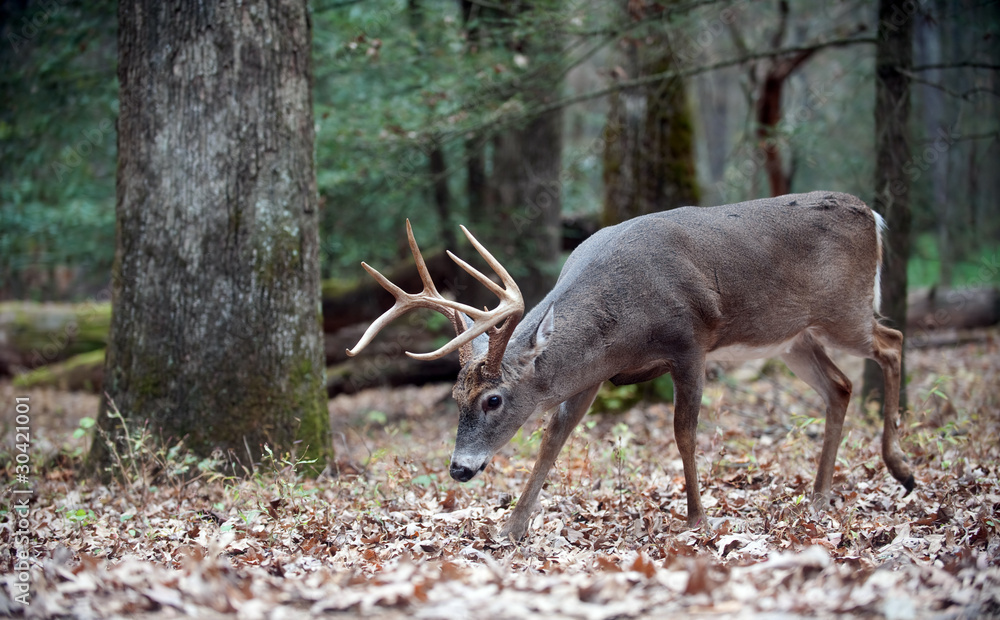
When you remove hunting from the equation, it throws entire systems out of balance. Overpopulated deer destroy habitat. Unchecked predators decimate prey populations and cause conflict with humans. Nature, left completely unmanaged, doesn’t find harmony. It finds collapse.
That’s why we need professionals managing wildlife, and we need public involvement from people who know what they’re talking about. That includes hunters, anglers, and trappers. We are the conservationists with dirt under our nails. We know the difference between theory and reality because we’re there, living it in wild places all the time.
You Don’t Get to Call Yourself a Conservationist If…
You don’t get to call yourself a conservationist if you oppose the very tools that keep ecosystems healthy.
You don’t get to say you care about biodiversity while fighting against the methods proven to protect it.
And you definitely don’t get to claim moral high ground from the safety of a sidewalk while real stewards are out digging fence posts, restoring wetlands, and pulling invasive species out by hand.
You want to protect wildlife? So do we. But protection without management is just neglect in disguise. And there is no more proven management tool than hunting.
The Bigger Picture
This isn’t about one hunting season or one predator plan. It’s about the future of wildlife management in North America.
And it’s about whether the people who actually understand the land will have a say in how it’s stewarded.
If we’re pushed out of the process, who takes over? People who’ve never carried a pack out of a canyon? People who think death in nature is always neat and painless?
Wildlife deserves better than that, and so do the millions of Americans who’ve made wild harvest part of their lives.

What’s Happening on the Ground
Across the country, we’re watching state wildlife commissions become battlegrounds. In many cases, these commissions are politically appointed, meaning leadership doesn’t always come from a place of field experience or ecological understanding. In New Mexico, years of turnover and politicized appointments led to a legislative overhaul of the state’s Game Commission in 2024. Lawmakers passed a bill requiring relevant qualifications for appointees, rebalancing authority, and shielding commissioners from being removed without cause. It was a clear response to growing concerns that wildlife decisions were being made by people without a working knowledge of wildlife management.
In Oregon, the Fish and Wildlife Commission voted unanimously in 2023 to ban wildlife killing contests on public lands. While the decision was applauded by many, including some hunters and conservationists, it also stirred debate in rural communities where predator management is a livelihood issue. That same year, the state continued implementing its updated wolf management plan, which had already loosened restrictions on lethal control measures in prior years. These are just two examples of how state-level decisions reflect the tension between science-based wildlife management, political agendas, and the needs of people on the ground.
What We Need to Do
Hunters cannot afford to sit on the sidelines. If you hunt, fish, trap, or care about wild places, it’s time to get involved.
Show up to commission meetings. Submit public comments. Write letters. Vote. Support the groups who are doing the legal and legislative work—groups like HOWL for Wildlife, Backcountry Hunters & Anglers, National Deer Association, the Sportsmen’s Alliance, and others.
This isn’t about politics. It’s not about left or right. It’s not about hunter vs. hiker. It’s about making sure our wildlife decisions are grounded in reality and science. It also means we may need to do some reminding that hunters have been responsible for most of the conservation work in the country all along.
We don’t want to dominate the land. We want to belong to it. We are the ones who’ve carried conservation on our backs for generations—and we’re not going anywhere.
This post was written by Alice Jones Webb. Alice is a freelance writer who loves the outdoors. Be sure to follow her on Social Media and subscribe to her Substack where she is currently producing excellent content.
https://alicejoneswebb.substack.com
For more outdoor content from Stream and Timber, be sure to check out the rest of the BLOG – Stream and Timber